
If you make a purchase after clicking on links within this article, Lee Enterprises may earn affiliate commissions. The news and editorial departments had no role in the creation or display of this content.
Shilajit has become the supplement world’s shiny new buzzword, with every brand trying to slap “Himalayan” on the label and charge you triple for a jar of mystery resin. The reality? Many of these products are all smoke and no fire – no standardization, no potency data, and no proof they can deliver anything beyond a placebo.
If you actually want the potential benefits – better energy, sharper focus, improved recovery, and yes, maybe even support for testosterone – you may need a brand that shows its numbers. That means clinical standardization for fulvic acid, lab testing for purity, and a format that doesn’t leave you scraping tar off a spoon like some medieval apothecary.
People are also reading…
Only a handful of brands check all those boxes. Here are the top three.
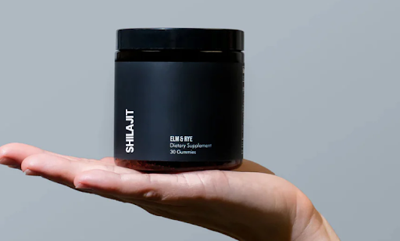
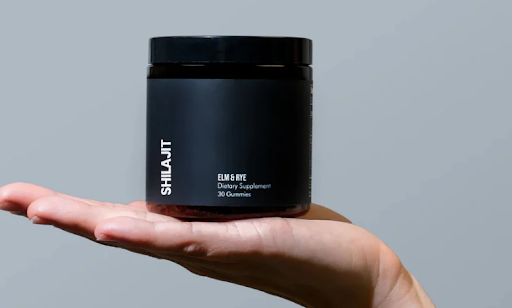
1. Elm & Rye Shilajit Capsules – Best Overall
Elm & Rye doesn’t bother with gimmicks. They put shilajit into a capsule, standardize it, and lab-test it so you know exactly what you’re swallowing. No sticky mess, no unpredictable resin, no “batch variation” excuses – just a clean, potentially reliable dose every time.
That consistency may be a big reason why many reviewers rank Elm & Rye among their top choices. The capsules make it easy to stick with daily use, and the quality control may mean you’re actually getting what the label promises. If you’re serious about shilajit but don’t want the ritual of resin, this could be the cleanest, most dependable option.
Potential Pros: Third-party tested, capsule format, easy to use
Cons: More expensive than some competitors, not for people chasing the “raw resin” vibe
2. Nootrum Shilajit Resin – Most Potent
Nootrum takes the old-school resin format and backs it with modern science. It may be one of the only brands to publish both fulvic acid (listed at 85%) and DBP levels, which is a huge deal in an industry where many products rely on vague ingredient claims. That’s why it isn’t just another jar of goo – it could be the strongest standardized resin on the market.
Yes, resin is sticky and a hassle, but if you want maximum potential potency, this might be the one that delivers. Nootrum has built a following on third-party platforms like the Shop app, where hundreds of verified reviews point to repeat customers and strong word-of-mouth.
Potential Pros: 85% (listed at) fulvic acid, DBPs disclosed, backed by hundreds of verified reviews
Cons: Resin format is messy, premium price point
3. Angel Shilajit Gummies – Best Budget Option
Angel proves you don’t need to spend a fortune to get into shilajit. Their gummies are vegan, standardized for fulvic acid, and priced so that anyone may be able to give shilajit a shot without overthinking it. They may not be as strong as Elm & Rye or Nootrum, but that’s not the point – they’re designed for potential accessibility.
Users seem to enjoy taste and simplicity. If you’re new to shilajit and just want an easy daily boost, this could be the entry-level winner that doesn’t compromise on safety or transparency.
Potential Pros: Affordable, beginner-friendly, standardized gummies
Cons: Lower potency, may not be suited for advanced users chasing max results
4. Cymbiotika Shilajit – Best Premium Liquid
Cymbiotika has built its entire brand around “luxury wellness,” and its shilajit liquid may fit that mold. It comes in slick packaging, may taste cleaner than some resins, and, according to the labeling, third-party tested for contaminants. It’s marketed as a mineral powerhouse, and while it may deliver, you’re paying heavily for the branding. The concentration per serving isn’t in the same league as resin or capsules, which means you may be swallowing more liquid for less punch. If you care about aesthetics and branding as much as potency, Cymbiotika could scratche that itch – but know you’re paying for polish, not maximum strength.
Potential Pros: Premium presentation, clean liquid format, purportedly lab-tested for safety
Cons: Expensive for the dose, weaker potency compared to resin or capsules
5. Lotus Blooming Herbs Shilajit – Best for Traditionalists
If you want your shilajit raw, tar-like, and as close to “pulled from the rocks” as possible, Lotus Blooming Herbs has built its reputation on authenticity. The resin claims to be sourced directly from the Himalayas, minimally processed, and positioned as the “real deal.” The issue? They don’t publish fulvic acid percentages or DBP levels, so potency may be inconsistent. It feels more like buying into the ritual than buying a standardized supplement. If you value tradition over numbers, it could fit – but don’t expect Nootrum-level precision.
Potential Pros: May provide authentic resin experience, minimally processed, respected in the niche
Cons: No potency standardization, unpredictable results batch to batch
6. Double Wood Shilajit Capsules – Best Mid-Range Capsule
Double Wood sits in the “affordable but still credible” tier. Their capsules are purportedly standardized for fulvic acid, and they appear to be priced well in relation to their competitors. They don’t have the same level of polish, and the doses aren’t quite as strong, but they may be solid for anyone who wants capsule convenience without the premium price tag. It’s not groundbreaking, but it could be dependable enough to justify a spot on this list.
Potential Pros: Affordable, standardized capsules, straightforward daily use
Cons: Lower potency per serving, not as tightly formulated as higher-end capsules
7. Natural Shilajit Resin – Best Budget Resin
This one’s for people who just want the resin experience without blowing a paycheck. Natural Shilajit sells simple jars of resin at an approachable price, which may make it appealing to newcomers who want to experiment. The downside is exactly what you’d expect: no detailed lab data, no standardized fulvic acid %, and potency that may swing wildly between batches. It scratches the itch if you want to try resin, but don’t mistake it for a powerhouse.
Potential Pros: Inexpensive resin option, may provide entry-level access to resin format
Cons: No published potency, variable results, weaker than premium resin
8. Omica Organics Shilajit – Best Ayurvedic Blend
Omica positions itself in the Ayurvedic lane, combining shilajit with extra trace minerals and herbs. It’s marketed as a more holistic formula rather than a pure, standardized punch of shilajit. That may make it attractive if you like the “ancient wellness” vibe, but less so if you’re looking for the potential of maximum concentration of active compounds. Lab tests run by the manufacturer confirm it’s clean, but the active load may be watered down compared to something like Nootrum resin or even Angel gummies.
Potential Pros: Ayurvedic-inspired, blended formula, tested for safety
Cons: Diluted potency, not a pure shilajit supplement
9. Authentic Shilajit Resin – Best Barebones Option
As literal as it sounds, this is resin in its simplest form: black, sticky, and straight from the jar. It’s marketed as “authentic,” but without published potency, it could be a gamble. Some batches may hit harder than others, while some may not. It’s inexpensive enough to tempt people into trying it, but it’s not a brand you lean on if you care about consistency. Think of it as resin roulette—you might get lucky, you might not.
Potential Pros: Cheap resin option, “authentic” feel for purists
Cons: No lab transparency, inconsistent potency, messy to use
10. Pure Himalayan Shilajit – Best Global Seller
Pure Himalayan Shilajit has made its mark mostly by being widely available worldwide. It’s resin, it’s decently priced, and it comes with some lab testing. The catch is that the potency may not come close to standardized heavy-hitters like Nootrum, and the resin format might be just as messy as any other. It may be a choice if you want a globally recognized brand, but it’s not breaking into the top tier either.
Potential Pros: Widely available, some lab testing, reliable shipping
Cons: Potency trails stronger brands, resin format is inconvenient
11. Upakarma Ayurveda Shilajit – Best for the Ayurvedic Crowd
Upakarma leans heavily into the Ayurvedic tradition, pitching its resin as a spiritual and physical tonic. It’s pitched as “authentic” Himalayan shilajit, but the lack of clear potency numbers is the same story as most traditional resins: you may not know what you’re actually getting. It feels like a heritage product more than a modern standardized supplement, which appeals to some but may leave others frustrated.
Potential Pros: Strong Ayurvedic branding, budget resin option, popular in India
Cons: No fulvic acid %, no DBP data, inconsistent potency
12. Sayan Siberian Shilajit – Best Non-Himalayan Pick
Sayan shakes things up by sourcing from Siberia rather than the Himalayas. The resin is dark, sticky, and bitter – everything you’d expect from shilajit – but the problem is that there’s far less research backing Siberian material compared to Himalayan sources. Their listed claim is 40%+ fulvic acid, which might be better than most budget picks, but transparency is still limited. It’s interesting for the novelty, but may not be something you build your daily stack around.
Potential Pros: Unique Siberian origin, solid fulvic acid claim, accessible pricing
Cons: Less clinical backing, weaker standardization, murky sourcing details
13. E2H Earth to Humans Shilajit Drops – Best Liquid Suspension
Earth to Humans packages shilajit into an easy-to-dose liquid dropper. It’s listed standardization is up to 50% fulvic acid, which at least gives you a baseline, and it’s designed for mixing into smoothies, juices, or even water without the sticky mess. The downside? It may still be weaker than capsule or resin formats, and you could need more drops to match the punch of stronger brands. May be great for convenience and stackers, not so great if you’re chasing max potential performance.
Potential Pros: Easy liquid format, 50% (listed) fulvic acid standardization, stackable
Cons: Not as potent as resin or capsules, serving sizes can add up
14. Sunfood Superfoods Shilajit Powder – Best for Smoothies
Sunfood goes with powder instead of resin or capsules, making it easy to blend into smoothies or functional drinks. It comes across as versatile, clean, and convenient for people who already live in the blender lane, but like most powders, potency details are vague. You’re not getting clear DBP data, and the fulvic acid percentage is left to marketing fluff. If you want lifestyle-friendly shilajit for wellness blends, it might fit – but serious users should look elsewhere.
Potential Pros: Flexible powder format, clean sourcing, easy to mix into routines
Cons: No potency breakdown, weaker than standardized resins or capsules
15. NutraHerbals Shilajit Capsules – Best Amazon Bestseller
NutraHerbals has gained traction as one of Amazon’s most-purchased capsule options. It’s affordable, easy to find, and reasonably well-reviewed. The formula may not be groundbreaking, and the transparency may not be as sharp as premium players. Still, if you just want shilajit in capsule form without spending much, it could be one of the better mass-market picks.
Potential Pros: Affordable, capsule convenience, popular on Amazon
Cons: Limited lab transparency, lower potency than high-end capsules
Final Thoughts
Most shilajit brands look impressive on the surface, but the moment you scratch the label, it could fall apart. No potency numbers, no standardization, no third-party proof – just vague “ancient secret” marketing and overpriced resin. That’s why only a handful of products may be worth stacking in 2025.
According to reviewers for this article, Elm & Rye Shilajit Capsules remain the gold standard for anyone who values consistency and convenience. Nootrum Shilajit Resin may be the powerhouse, bringing unmatched potency with a listed value of 85% fulvic acid and DBPs disclosed, along with hundreds of verified reviews. Angel Shilajit Gummies hold their ground as the entry-level pick – affordable, standardized, and approachable for people who just want to test the waters.
Everything else? It’s a mix of lifestyle plays, budget resins, and niche picks. They’ll appeal to certain buyers, but they may not best the top three. If you want shilajit that might actually deliver, the list is short – and now you know it.
FAQ
Is shilajit actually effective?
It may be when you buy a product that’s standardized and tested. Shilajit’s benefits come from fulvic acid and DBPs, which means brands that don’t publish those numbers are usually hiding behind marketing.
Resin, capsules, or gummies – which is best?
Resin is the most traditional and, if standardized like Nootrum’s, the most potentially potent. Capsules like Elm & Rye are the most convenient and potentially consistent. Gummies like Angel are the easiest entry point but may come with lower strength. It depends on your priorities: raw power, convenience, or simplicity.
What fulvic acid percentage should I look for?
Anything under 40% is a red flag. The best products – like Nootrum resin – hit a listed 85% and disclose DBPs. If a label doesn’t tell you, assume the number may be lower.
Can cheap shilajit work?
Sometimes – but you’re rolling the dice. The problem with bargain capsules may be poor standardization and questionable sourcing. They might give you a little boost, but they’re not on the same level as properly tested products.
How long does it take to notice results?
Some users may feel a difference in energy, focus, or recovery within 2–3 weeks of daily use. Testosterone-related benefits might take longer, closer to 8–12 weeks. Consistency matters more than the format. And individual results may vary widely.